What Does World of Warcraft’s In-Game Art Tell the Player? : A Reflection on Azeroth’s Human Kingdoms and their Cultures
Words by Madeleine Howell
Edited by Georgina Way
The painstaking care with which a game designer – or team of game designers – breathes life into their world has a tendency of being overlooked by the player; and yet, by the same token, minuscule details all building into one whole lends credence to the designer’s mastery of their craft. When a virtual world is lacking in the building blocks which make a place feel lived-in it is noticeably hollow: players may liken this feeling to a theme park ride and being ‘on rails’ – guided through a curated experience with set expectations of outcomes and feelings. This linear design, while befitting some genres (and is by no means an indicator of a negative gaming experience), lacks the almost childlike wonder born from being let loose into an unfamiliar land – free to not only explore, but form an understanding of the peoples and cultures which make up the realm’s population.
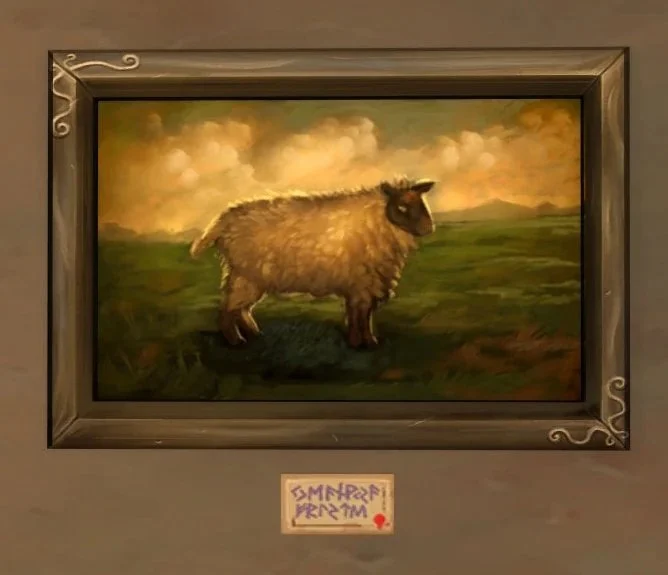
Fig 1. Blizzard Entertainment. Sheep Painting, https://wowpedia.fandom.com/wiki/Category:Paintings
The MMORPG (Massively Multiplayer Online Roleplaying Game) genre of video game, unlike its offline RPG (Roleplaying Game) counterpart, takes the need for worldbuilding and amplifies it to the umpteenth degree; the game developers must now take into account how many people – with their own diverse range of uniquely customised avatars – will interact with their environment, and the ways in which those interactions will change depending on the player and their circumstances, as well as the factors inherent to the world’s own narrative. World of Warcraft (2004), the gaming titan who brought the genre into the public eye, has wrestled with this for over two decades. Fortunately for Blizzard Entertainment, relations between the realm’s peoples were already preestablished in the prior title(s) Warcraft, thus the battle they faced was more a question of how to place players into a newly-realised 3D world and have them interact with the narrative(s) they have built, rather 2 than foundational matters of who, what, when, where, why, and how.
The progression from the isometric point-of-view RTS (Real-Time Strategy) game, Warcraft, to the wider World of Warcraft allowed players the ability to traverse the world they had grown to love through a first-person lens, which inevitably introduced new storytelling and worldbuilding possibilities. Settlements across the realm saw the addition of in-game paintings added to their buildings. The art populating Human settlements is heavily influenced by our own Western twentieth century artistic movements, with realism and regionalism appearing most frequently in-game. The below figures are a small handful of the collection, and indicate to the player the values most important to the Human race: an appreciation for the pastoral and agricultural farms which make up much of their land, and the clear portrayal of beauty standards for their women. The latter mirrors Western culture’s own from the early 2000s: it was desirable for women to have an air of mystique about them, to be thin and well-dressed, effortlessly sultry – but not desperate – and of a high status, yet still obtainable. All in all, similarly objectifying.
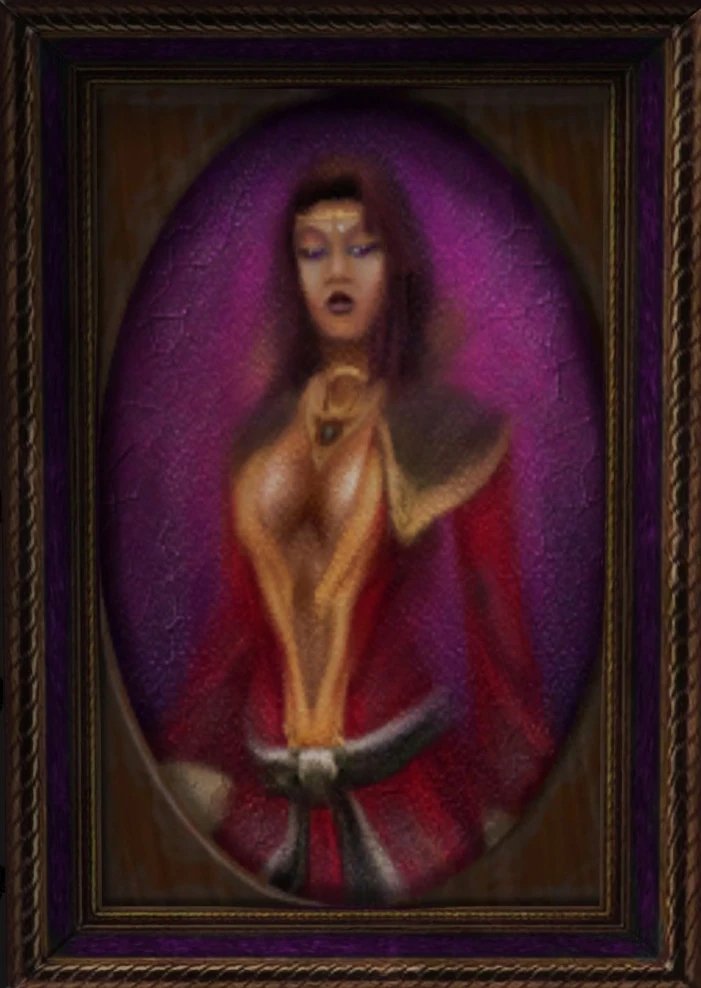
Fig 2. Blizzard Entertainment. Robed Woman Portrait, https://wowpedia.fandom.com/wiki/Category:Paintings
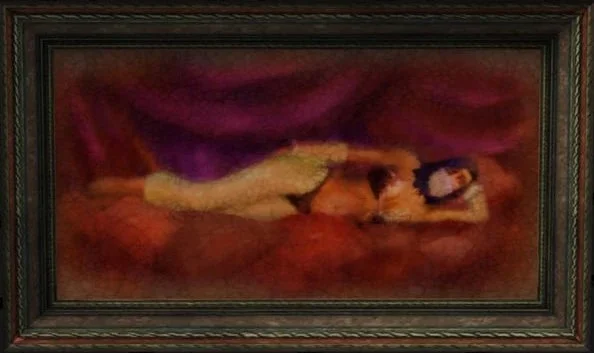
Fig 3. Blizzard Entertainment. Lounging Lady Portrait, https://wowpedia.fandom.com/wiki/Category:Paintings
The long-awaited introduction of the former Human kingdom of Gilneas, after its debut in Warcraft 2, saw a wealth of custom in-game paintings added to the game. Given the supernatural, werewolf culture were formerly residents of the Human kingdom of Stormwind, there is a lot of crossover with their art – with some repeat appearances of the above, and similar, women. Nonetheless, Gilnean art, alongside its familiar repertoire of portraits, introduces landscape paintings. The isolated, walled-off, coastal kingdom of Gilneas is beautifully represented by muted hues and eerie, empty locales. While the former – with the 4 added inclusion of the working class being represented in portrait form – tells the player they harbour a similar fondness and appreciation for their people, these depictions of the Gilneas environment show how they see their home, and what factors they feel important to highlight – such as the recurring iconography of the moon, and tall, lone trees.
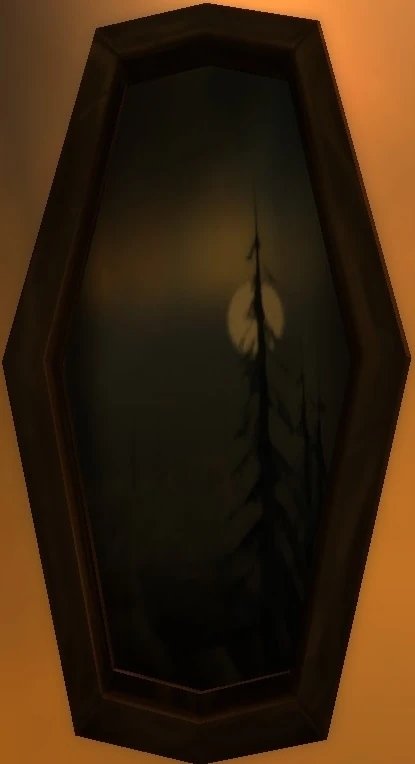
Fig 4. Blizzard Entertainment. Gilneas Portrait 18, https://wowpedia.fandom.com/wiki/Category:Paintings
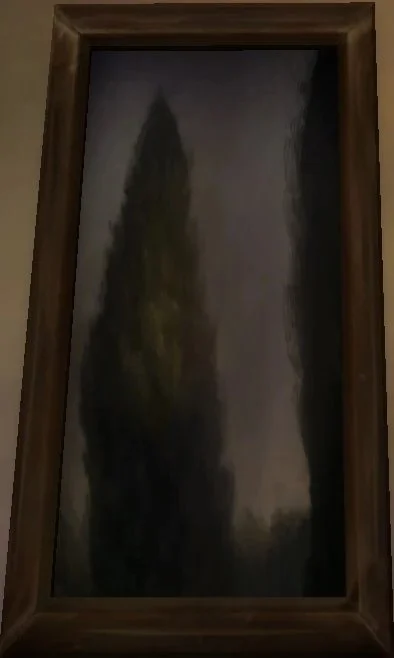
Fig 5. Blizzard Entertainment. Gilneas Portrait 19, https://wowpedia.fandom.com/wiki/Category:Paintings
The meticulous care put into crafting a world fit for an MMORPG is apparent in the examples above, and how they procure a 'no stone left unturned' sentiment in the player base. Furthermore, the above is but a small demonstration of a perfect intersection of design, narrative, and art and how every aspect is vital to the fruitful telling of a story in a video game environment – they all rely on one another to thrive.
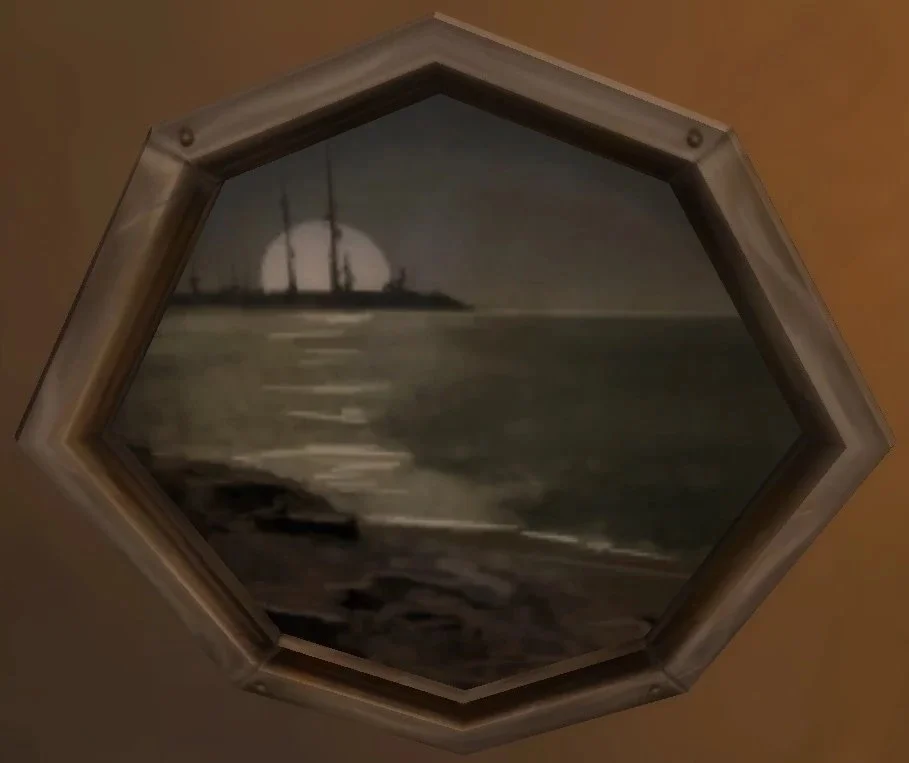
Fig 7. Blizzard Entertainment. Gilneas Portrait 3, https://wowpedia.fandom.com/wiki/Category:Paintings