Words by Georgina Way
Edited by Georgina Way
What do we owe to history? If indeed anything. Events from the past are exactly that, right? In the past and there’s not a great deal we can do to change that. This is a view which this article will be countering with a focus on the art looted by the Nazis in the run up to and during the Second World War. In so many cases, entire generations, who these artworks were stolen from, were wiped out during the Holocaust and therefore the question stands, who should the artworks (if and when they were rediscovered) be returned to? Museums or distant members of the family to whom the art once belonged to? This question is a moot point as it is continually debated and questioned without ever coming to an answer.
In order to even begin to contemplate an answer to this continual question, we must consider three aspects to our debt to history: a) to ensure nothing like the atrocity dealt upon the Jews and other ‘degenerate people’ eighty years ago ever happens again, b) to continue with life and, arguably the most important factor, c) to educate each generation.
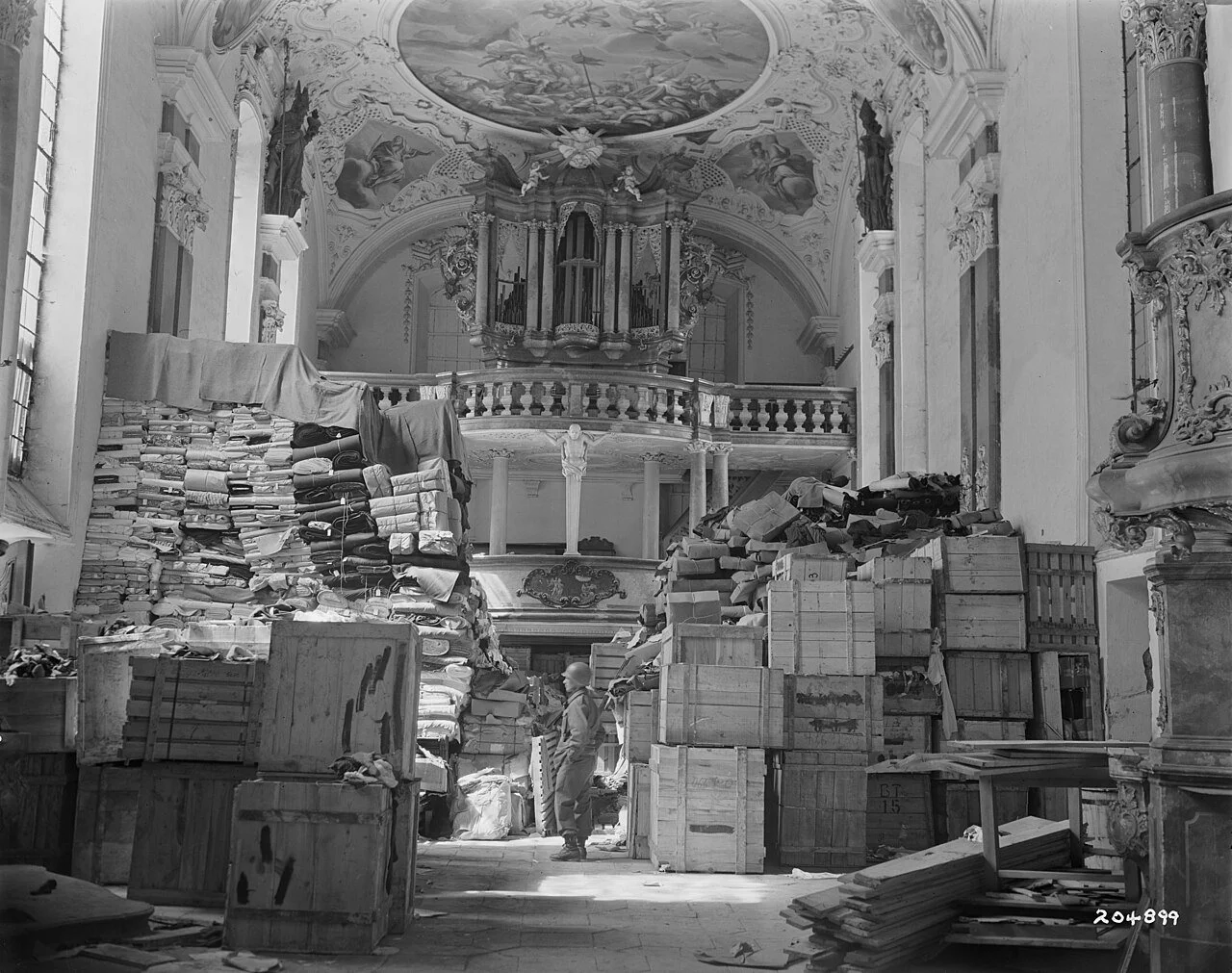
German loot stored at Schlosskirche Ellingen, Bavaria (April 1945)
Museums face a constant dilemma about exhibiting artworks believed to have been once looted by the Nazi Party. Looting is a quick and easy way to demonstrate power and authority as well as hatred. Following the 1998 Washington Declaration as well as the UK Museum Code of Ethics, museums are required to heavily research the provenance of artworks for any unlawful or suspicious handling of works from between 1933 and 1945 before acquiring and displaying works, as well as lending them to other institutions.
If a piece of artwork is discovered to have been looted by the Nazis and is then kept by the museums but not displayed, surely this makes said museum as morally questionable as the Nazis who looted the art because the implication could be that by not displaying the art, and therefore hiding the truth, the name of the Jewish family and the history of both them and the artwork are wiped from memory. Another reason for displaying the art is that it was neither the artist nor the artwork’s fault that the looting occurred and they should not be penalised for it. Furthermore, by displaying the work and providing adequate information, the museum is teaching the public (about the family as well as the artwork) and therefore defying the Nazi ideology.
At some point do we need to take a step back and consider where the line is? It could be argued that, because the Nazis took a lot of their inspiration from earlier German Nationalist and Romantic artists such as Schinkel and Caspar David Freidrich, their works should be hidden or reconsidered and yet I defy anyone to suggest to the Alte Nationalgalerie in Berlin that they remove Schinkel’s Medieval City On A River, 1815 on the grounds that it had some influence on the Nazi’s ideal of Nationalistic Germany. Moreover, by constantly remaining in the past and debating the case of each newly rediscovered looted artwork and whether or not a museum should be entitled to display looted or Nazi-influential artworks, are we actually only repeatedly bringing up the Nazi Party and is that in itself wrong?
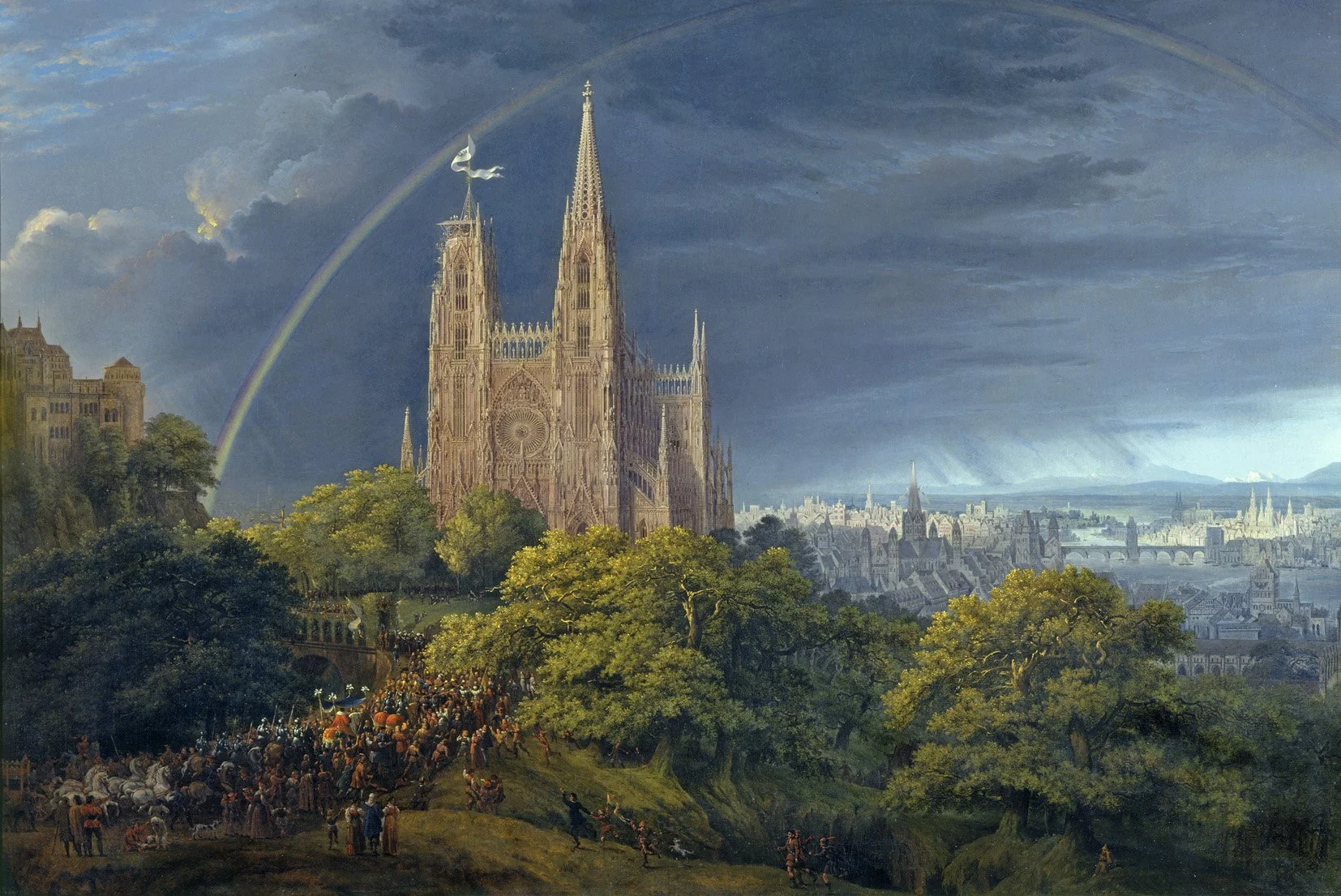
Schinkel, Medieval City On A River, 1815
One element not often regarded when considering the art looted from Jewish families especially are the different attitudes within the Jewish community itself. Due to pogroms across Eastern Europe and Russia, by the mid twentieth century, large Western European cities housed both exceptionally wealthy as well as impoverished Jews. Fine art has always promoted a liquid and easily accessible medium of exchange and this was no different in Nazi Germany where the trading and accumulation of art filled the pockets of those up high. With this mind, it makes sense that the families most affected by the looting of artworks were the wealthy Jewish families. There were many examples of wealthy Jewish families selling art to the Nazis. Throughout the war and afterwards, discord and resettlement spread across the poorer Jews who felt that their fellow, wealthier, compatriots were able to buy their freedom by selling or exchanging their artworks. This even led to an argument that artworks should not be returned to these families however I would argue strongly that to all intents and purposes, those artworks were looted, just more formally and with the result that a couple of lives might be spared.
As one Hungarian Jewish Holocaust survivor said, “you are focusing on the belongings of the fifty richest families in Europe…six million of us didn't have paintings to exchange…(T)hey shouldn’t have them back. They were able to buy the freedom of their family.” The ‘Jew Auctions’ were a series of forced sales involving plundered Jewish property. Many prominent Jewish families, such as the Rothschilds, found their valuable belongings being coerced into these sales which again is an example of the artworks being taken against the will of the owner.
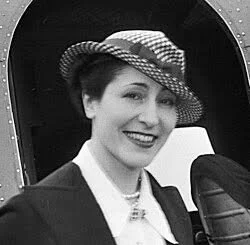
Elisabeth de Rothschild, the only member of the prominent Jewish banking family to be murdered during the Holocaust. She died in Ravensbrück Concentration Camp in 1945.
This article barely scratches the surface of a very deep and emotional topic which is still raising many questions today, nearly one hundred years since the beginning of the Nazi era of looting art began. Whilst there are still survivors from the Holocaust, the moral question about returning looted art remains morally ambiguous and perhaps once the appalling atrocities of the Holocaust are no longer in living memory, rules and regulations will be changed. However, nothing can ever alter the fact that in total (including all cultural artifacts like books, religious items, household items as well as more typical artworks) an estimated three million artifacts were looted by the Nazis. That’s around 20% of the total of Western art at the time. And well over 100,000 pieces are still missing or have not been returned to their original owners. Those statistics are staggering and are a frightening reminder of the crimes and atrocities which humankind is capable of inflicting upon itself.
Recommended reading:
Palmer, Norman, ‘Museums and the Holocaust’